Publishing a book is a dream many writers hold for years. After months or sometimes even years of writing, editing and refining a manuscript, authors often ask an important question: What is the last step in publishing a book? While many people assume the journey ends when the book is printed or uploaded to an online platform, the truth is a little more nuanced. The final step in publishing a book is not simply about production; it is about making the book available to readers and ensuring it has the opportunity to succeed in the marketplace.
In the modern publishing world, the final stage involves a combination of distribution, marketing and ongoing promotion. These elements ensure that your book reaches its intended audience and stands out in a crowded market. Whether you are working with traditional publishers or seeking a professional book publishing service company, understanding this last stage is essential for maximizing your book’s potential.
Many authors underestimate the effort required after the manuscript is finalized. The steps leading up to publication, editing, formatting and cover design are crucial, but the final stage determines whether your book will simply exist online or actually reach readers who will appreciate it.
In this comprehensive guide, we will explore the final step in the publishing process and the important stages that lead up to it. By understanding how the entire process works, authors can approach publishing a book with greater confidence and clarity.
Before discussing the final stage, it is important to understand the complete journey of publishing a book. The process involves several carefully coordinated steps, each contributing to the quality and market readiness of the final product.
First, the journey begins with writing and revising the manuscript. Authors often go through multiple drafts before their story or nonfiction content is ready for professional editing. This stage is where ideas take shape and evolve into a structured narrative that readers can follow and enjoy.
Next comes the editing phase, which typically includes developmental editing, copy editing and proofreading. These processes refine the manuscript, eliminate errors and improve clarity. Professional editors help ensure the book is polished and ready for publication.
After editing, the book moves into design and formatting. During this stage, designers create an attractive cover and format the interior pages for both print and digital versions. A visually appealing cover is critical because it often serves as the first impression potential readers have of your book.
Finally, the manuscript transitions into the production stage. At this point, authors may work with traditional publishers or a professional book publishing service company to prepare the book for distribution. This leads directly to the final stage of the publishing process.
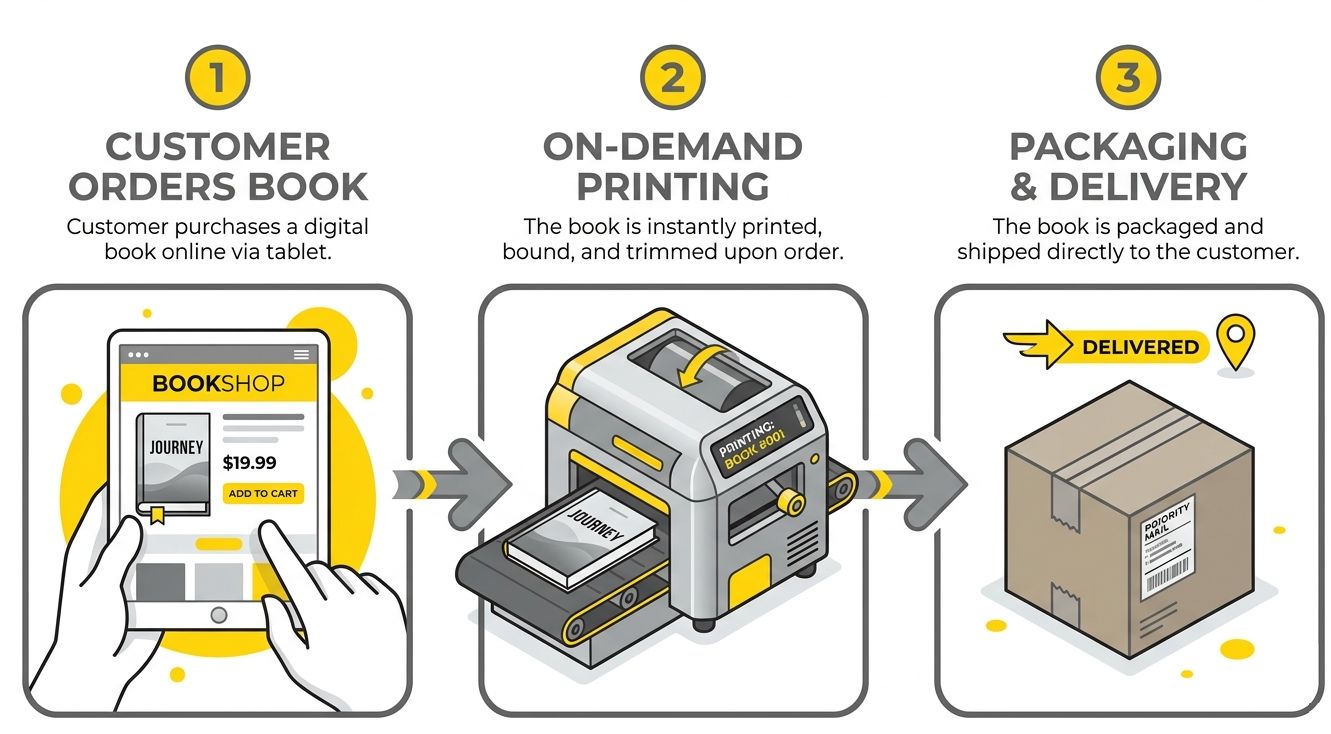
Many authors assume that printing the book or uploading it to a digital platform is the final step in publishing a book. However, the true last step is distribution, making the book accessible to readers through various retail channels.
Distribution involves placing the book on platforms where readers can discover and purchase it. Today, this includes online marketplaces, digital bookstores and physical retailers. Without proper distribution, even the most well-written book may struggle to reach its intended audience.
In the digital era, distribution often includes listing books on major platforms such as Amazon, Barnes & Noble and other global retailers. These platforms allow authors to reach readers worldwide, expanding the potential impact of their work.
Distribution also includes setting up print-on-demand services. Instead of printing thousands of copies upfront, print-on-demand technology allows books to be printed as orders are placed. This approach reduces financial risk and makes publishing accessible to more authors.
Working with a professional book publishing service company can simplify the distribution process. These experts handle technical requirements, platform guidelines and global distribution networks, ensuring that your book reaches readers efficiently.
Although distribution is the final technical step, preparing for a successful launch is equally important. A book launch introduces your work to the public and helps generate excitement among potential readers.
Planning a launch often begins several weeks before the official publication date. During this time, authors may share sneak peeks, cover reveals or excerpts to build anticipation. These activities help create buzz and encourage early interest in the book.

Another key aspect of launch preparation is gathering advance reviews. Reviews provide credibility and influence readers’ purchasing decisions. When potential readers see positive feedback, they are more likely to trust the book’s quality.
Authors can also organize launch events, whether virtual or in person. Online events allow authors to reach a global audience, while local book signings create personal connections with readers. Both approaches help build momentum during the launch period.
Many authors choose to collaborate with a professional book publishing service company to coordinate launch activities. Experienced publishing professionals can develop promotional strategies that maximize visibility and reader engagement.
Once the book is published and distributed, marketing becomes an ongoing priority. Although marketing technically occurs after publishing a book, it plays a crucial role in determining the book’s success.
Effective marketing helps readers discover your book in a crowded marketplace. Strategies may include social media promotion, author interviews, blog posts and email newsletters. Each tactic contributes to building awareness and attracting new readers.
Online advertising is another powerful marketing tool. Platforms like Amazon and Facebook allow authors to target specific audiences who are likely to be interested in their books. These targeted campaigns can significantly increase visibility.
Authors should also consider building relationships with book bloggers, reviewers and literary influencers. These individuals often have established audiences that trust their recommendations. A single positive review from a respected reviewer can increase interest and sales.
If marketing feels overwhelming, working with a professional book publishing service company can provide valuable support. Marketing specialists understand industry trends and can develop customized strategies to promote your book effectively.
The final stage of publishing can be complex, especially for first-time authors. Distribution systems, marketing strategies and technical requirements require specialized knowledge and experience.
This is why many authors choose to partner with a professional book publishing service company. These companies guide authors through every stage of the publishing process, from manuscript preparation to final distribution.
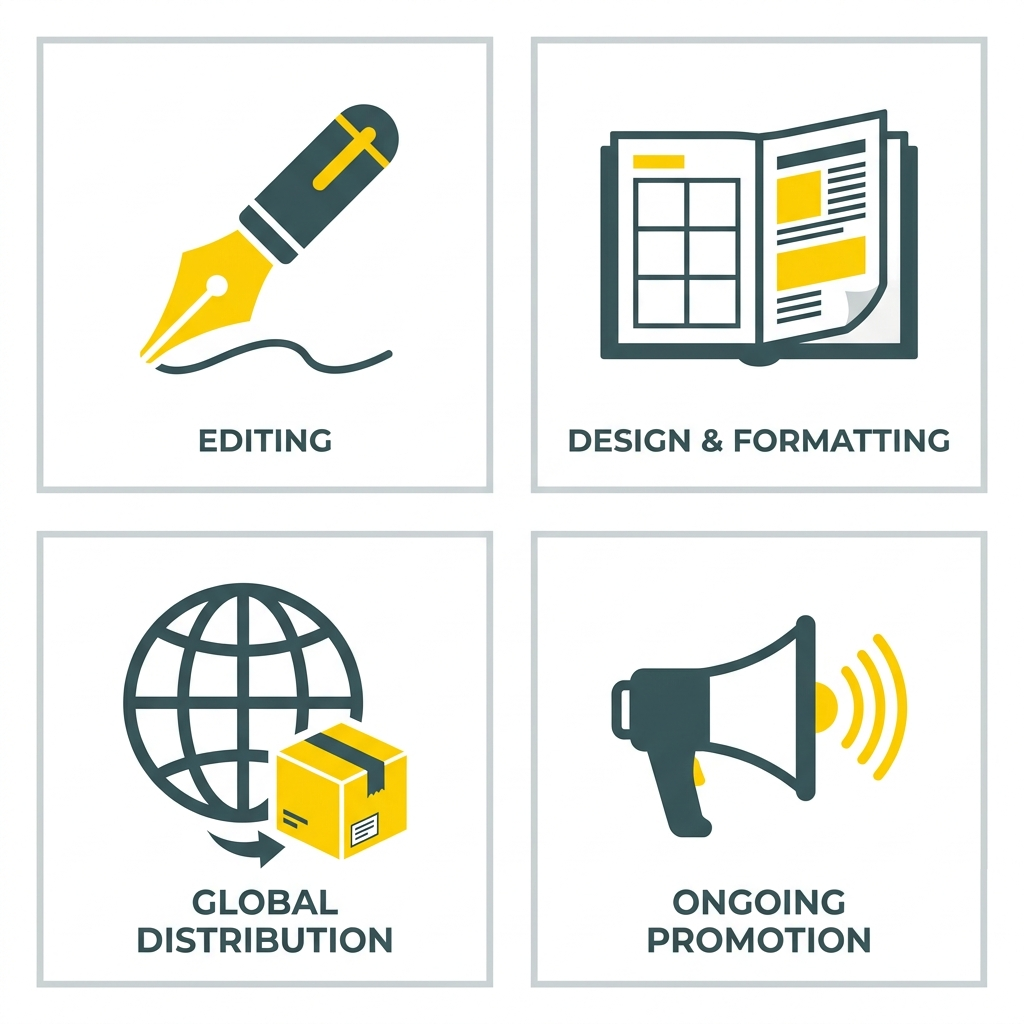
Professional publishing teams offer expertise in editing, design, formatting and marketing. By working with experts, authors can ensure their books meet industry standards and appeal to readers.
Additionally, professional support allows authors to focus on what they do best: writing. Instead of managing technical publishing tasks, writers can concentrate on developing new ideas and creating more content for their audience.
Many authors searching for book publishers near me discover that professional publishing service companies offer flexible solutions that combine convenience with expert guidance. These services provide the resources needed to transform a manuscript into a professionally published book.
Selecting the right publishing partner is an important decision that can influence the entire publishing experience. Not all publishing companies offer the same level of support, so authors should carefully evaluate their options.
When researching book publishers near me, consider the range of services offered. A reliable publishing partner should provide editing, design, distribution and marketing assistance. Comprehensive services simplify the process and ensure consistency across every stage.
Transparency is another important factor. A trustworthy professional book publishing service company clearly explains its services, pricing and timelines. Open communication helps authors feel confident and informed throughout the publishing process.
It is also helpful to review testimonials or previous projects from the publishing company. Positive feedback from other authors indicates that the company has a track record of delivering high-quality results.
At Book Publishing Pros, we understand that every author’s journey is unique. Our team provides personalized support designed to help writers successfully navigate every stage of publishing a book, including the final step of distribution and promotion.
So, what is the last step in publishing a book? While many people believe the journey ends with printing or uploading the manuscript, the true final step is ensuring that the book is distributed and available to readers. Distribution connects your work with the audience you wrote it for, turning your manuscript into a real, accessible book.
However, the publishing journey does not stop there. Marketing, reader engagement and ongoing promotion continue long after the book is released. These efforts help authors build an audience and establish a lasting presence in the literary world.
Working with a professional book publishing service company can make the entire process smoother and more efficient. From editing and design to distribution and marketing, professional support ensures that your book meets industry standards and reaches its full potential.
For authors searching for book publishers near me, partnering with an experienced publishing team like Book Publishing Pros provides the expertise and guidance needed to bring your book to life. With the right support and strategy, your publishing journey can lead to meaningful connections with readers around the world.
Ultimately, the final step in publishing is not just about completing a project; it is about sharing your story, ideas or knowledge with readers who are eager to discover your work.