Creating a children’s book is a magical journey. Unlike writing for adults, children’s books require a careful balance of storytelling, visuals and age-appropriate language. Every word, sentence and illustration matters because young readers are highly perceptive and easily engaged or disengaged by your content.
Many aspiring authors assume that writing a story alone is enough to publish a children’s book, but the reality is that professional guidance is essential. From editing and illustrations to design and distribution, working with experts ensures your book meets high-quality standards and resonates with its intended audience. This is where professional children's book publishing services come into play.
Whether you are an aspiring author or a seasoned writer venturing into children’s literature, this guide will walk you through the complete process of creating and publishing your own children’s book. We will cover everything from idea development to working with children book publishing companies and highlight why professional support can transform your project into a polished, market-ready masterpiece.
Before diving into the technical aspects of publishing, it is important to understand what makes a children’s book truly successful. Unlike adult books, children’s literature combines storytelling with educational or moral elements. The story should be engaging, easy to follow and visually appealing.
One key factor is knowing your target age group. Picture books for toddlers require simple, repetitive text and bright illustrations, while books for older children can explore more complex narratives and character development. Age-appropriate language ensures comprehension and keeps young readers engaged.

Characters are another essential element. Children often connect with relatable, memorable characters who experience challenges and growth. Whether it is a brave animal, a curious child or a magical creature, your characters should evoke empathy and interest.
Additionally, illustrations play a critical role in children’s books. Visual storytelling enhances comprehension, adds excitement and makes the reading experience memorable. This is why many authors collaborate with professional children's books publishers who understand the importance of visual appeal.
Finally, pacing and readability are crucial. Short sentences, rhythmic patterns and repetition help maintain attention spans while building anticipation and excitement. Understanding these basics sets the foundation for a successful children’s book project.
Every great children’s book begins with a strong idea. Brainstorming and refining your concept is the first step in turning your vision into a cohesive story. Start by asking yourself what message, lesson or emotion you want to convey to young readers.
Once you have a concept, outline the story. Think about the beginning, middle and end. In children’s books, it is important to maintain a simple narrative structure while keeping the plot engaging. Introduce conflict or challenges, show character growth and conclude with a satisfying resolution.
Another important consideration is theme. Many children’s books explore universal themes such as friendship, courage, kindness or curiosity. A strong theme not only gives your story purpose but also provides valuable lessons that resonate with children and parents alike.
After your initial outline, start drafting the manuscript. Focus on clarity, brevity and rhythm. This is where working with children's book editing services becomes valuable. Professional editors provide guidance on sentence structure, word choice and pacing to ensure your story is suitable for your target age group.
Characters are the heart of any children’s book. Young readers connect with characters they can relate to, admire or aspire to be. When developing characters, consider their personalities, motivations and challenges. Even minor characters should serve a purpose in the story.
Dialogue is another powerful tool. It brings characters to life, drives the story forward and provides opportunities for humor, emotion and learning. In children’s books, dialogue should be natural, simple and age-appropriate. Overly complex language or lengthy conversations can confuse young readers.
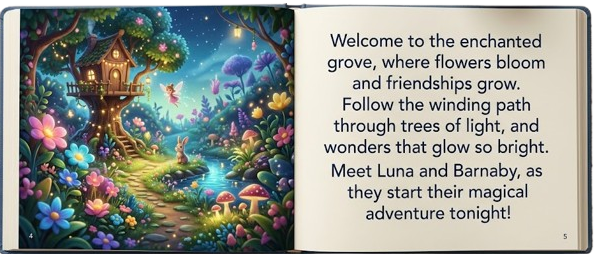
Additionally, incorporating repetitive or rhythmic language can make the story enjoyable to read aloud. Repetition not only reinforces comprehension but also engages children in participatory reading experiences. For example, repeating a phrase or a character’s catchphrase encourages interaction and anticipation.
Finally, consider diversity and inclusivity. Children’s books have the power to shape young minds and expose them to different cultures, perspectives and experiences. Thoughtful character design promotes empathy and understanding, making your book relevant and meaningful.
Many authors collaborate with children's books publishers to ensure that character development and dialogue meet high-quality standards while remaining appealing to young readers.
Illustrations are more than just decoration in children’s books; they are essential storytelling tools. Images help children understand the narrative, reinforce concepts and keep them engaged. In many cases, children form emotional connections with stories primarily through visuals.
Professional illustrators create characters, scenes and layouts that complement the text. They consider color schemes, facial expressions and perspectives to make each page captivating. For picture books, illustrations often carry as much weight as the words themselves.
Deciding the style of illustration is also important. Watercolor, digital art, pencil sketches and collage each evoke different moods and appeal to different age groups. Matching the style to your story’s tone enhances the reading experience.
Layout and page design are equally critical. Text placement, spacing and font size must work harmoniously with illustrations to maintain readability. A professionally formatted book ensures that the story flows naturally, keeping children engaged from page to page.
Many authors use children's book publishing services to coordinate text and illustrations, ensuring that the final product is polished and visually compelling. Experienced publishers guide authors through every visual decision, from cover design to interior illustrations.
Even the most imaginative stories require professional editing to meet publishing standards. Editing ensures that your manuscript is clear, concise and age-appropriate while maintaining the author’s voice and style.
There are several levels of editing in children’s book publishing. Developmental editing focuses on story structure, character development and pacing. Copyediting ensures grammar, punctuation and word choice are correct. Finally, proofreading catches minor errors before publication.
Working with children's book editing services can dramatically improve the quality of your book. Editors provide constructive feedback, help refine storytelling elements and ensure your manuscript aligns with market expectations. They also help prepare your manuscript for submission to children book publishing companies or self-publishing platforms.
Editing is especially important in children’s books because young readers have limited patience for confusing language or inconsistent narratives. A polished manuscript ensures readers enjoy the story and engage fully with your book.
After your manuscript is ready, it is time to decide how to publish your book. Authors can choose between traditional publishing through established children's books publishers or modern self-publishing options.
Traditional publishing involves submitting your manuscript to publishing houses that specialize in children’s literature. Accepted manuscripts receive professional editing, design and distribution support. However, competition is fierce and acceptance rates are often low.
Alternatively, self-publishing gives authors more control over the process. With professional children's book publishing services, you can manage editing, illustrations, formatting and distribution on your own terms. Self-publishing platforms let your book reach global marketplaces like Amazon, Barnes & Noble and more.
Many authors find that combining self-publishing with professional services provides the best of both worlds. You maintain creative control while benefiting from expert guidance on design, marketing and distribution.
Formatting a children’s book requires careful attention to detail. Unlike adult books, children’s books often combine text and illustrations, making layout crucial.
Proper page design enhances readability and complements the visual storytelling. Consider font size, line spacing and alignment. For picture books, each spread must balance text and illustrations to avoid overcrowding or confusion.
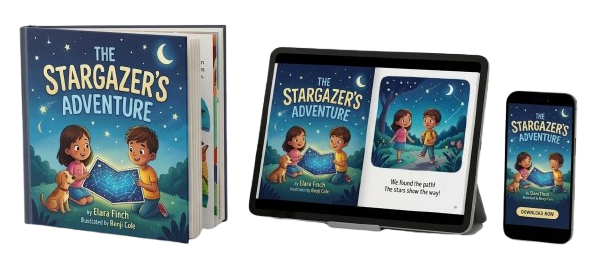
Cover design is equally important. A visually appealing cover grabs attention, communicates the story’s theme and encourages parents and children to pick up your book. Working with professionals ensures that your cover meets industry standards and attracts your target audience.
Professional children's book publishing services guide authors through every design decision. From illustration placement to cover layout, their expertise ensures your book looks polished, professional and market-ready.
Publishing a children’s book is only half the journey; the next challenge is distribution and marketing. A well-crafted marketing strategy ensures your book reaches the right audience and gains visibility among parents, teachers and young readers.
Many authors use a combination of online and offline strategies. Online marketing includes social media promotion, author websites, email newsletters and partnerships with bloggers or influencers in children’s literature. Offline marketing can involve school visits, library readings and book fairs.
Distribution is equally important. Professional children's book publishing services often offer assistance with listing your book on major platforms, coordinating print-on-demand services and managing shipping logistics. This ensures your book is accessible to readers worldwide.
Effective marketing strategies not only boost sales but also establish your credibility as an author. Building a recognizable brand within the children’s literature community can pave the way for future projects and long-term success.
Creating a children’s book is an exciting and rewarding endeavor. From developing a strong concept and writing a compelling story to collaborating with illustrators, editors and publishing professionals, each step plays a critical role in bringing your vision to life.
Working with experienced children book publishing companies and utilizing professional children's book publishing services ensures your book meets high-quality standards while appealing to young readers. Skilled children's book editing services refine your manuscript and expert illustrators enhance the visual storytelling that captivates children.
Whether you choose traditional publishing or self-publishing, professional support increases your chances of creating a book that resonates with readers and succeeds in the market. At Book Publishing Pros, we are dedicated to helping authors turn their ideas into polished, market-ready children’s books that inspire, educate and entertain.
With careful planning, creative storytelling and professional guidance, your children’s book can leave a lasting impact on young readers and establish you as a respected author in the world of children’s literature.