Publishing a children's book is a thrilling and rewarding journey. Seeing your story in the hands of young readers, knowing it sparks imagination and learning, is a truly special experience. However, for new authors, childrens book publishing can seem complex and overwhelming. From finding the right childrens book publishers to understanding the production process, there are many steps to navigate.
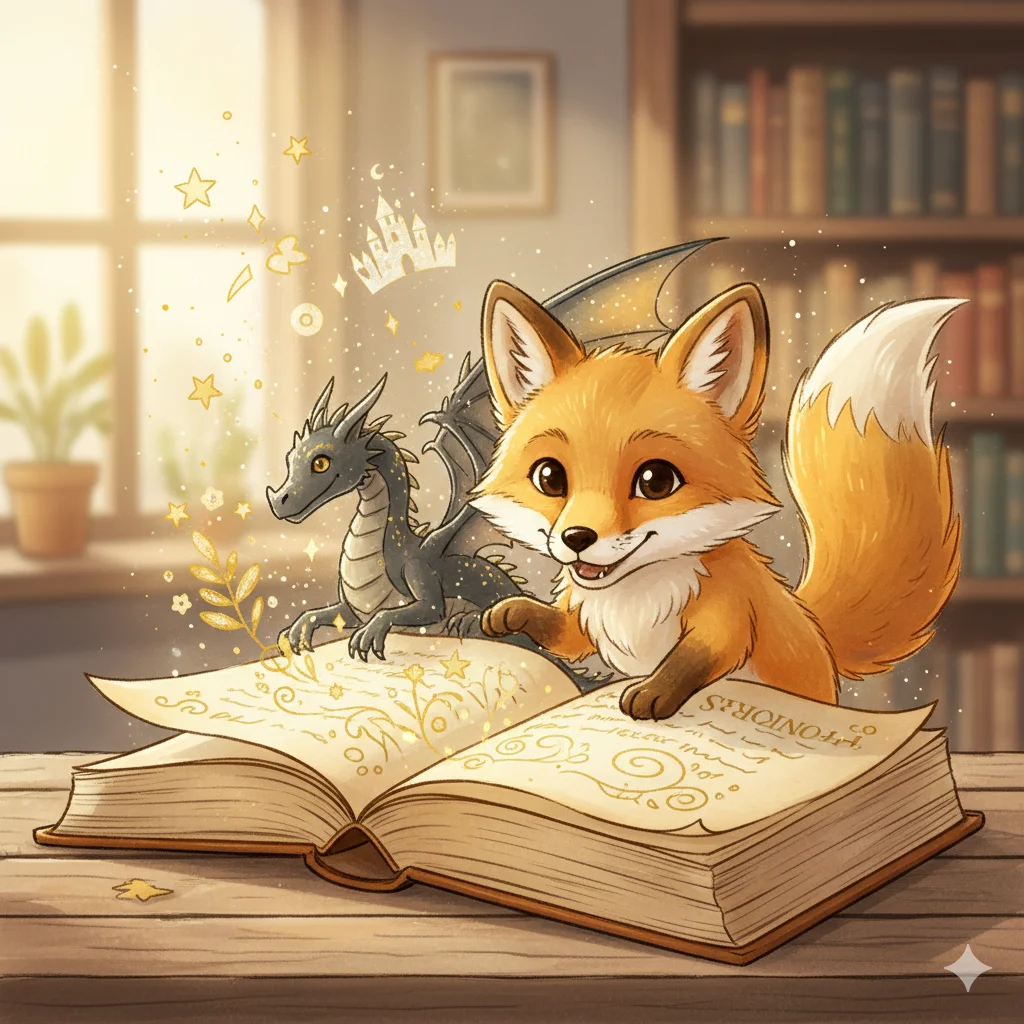
At Book Publishing Pros, we guide authors through every stage of publishing a children's book. Whether you are a first-time author or a seasoned writer looking to break into the children's book market, this comprehensive guide will walk you through the essentials of writing, illustrating and publishing a childrens book successfully.
Before diving into your children's book project, it is essential to understand what makes children's book publishing unique. Unlike adult literature, children's books are a blend of storytelling, visual artistry, educational content and age-appropriate language. This combination creates a reading experience that engages young readers while helping them learn and grow, making it both rewarding and challenging for authors.
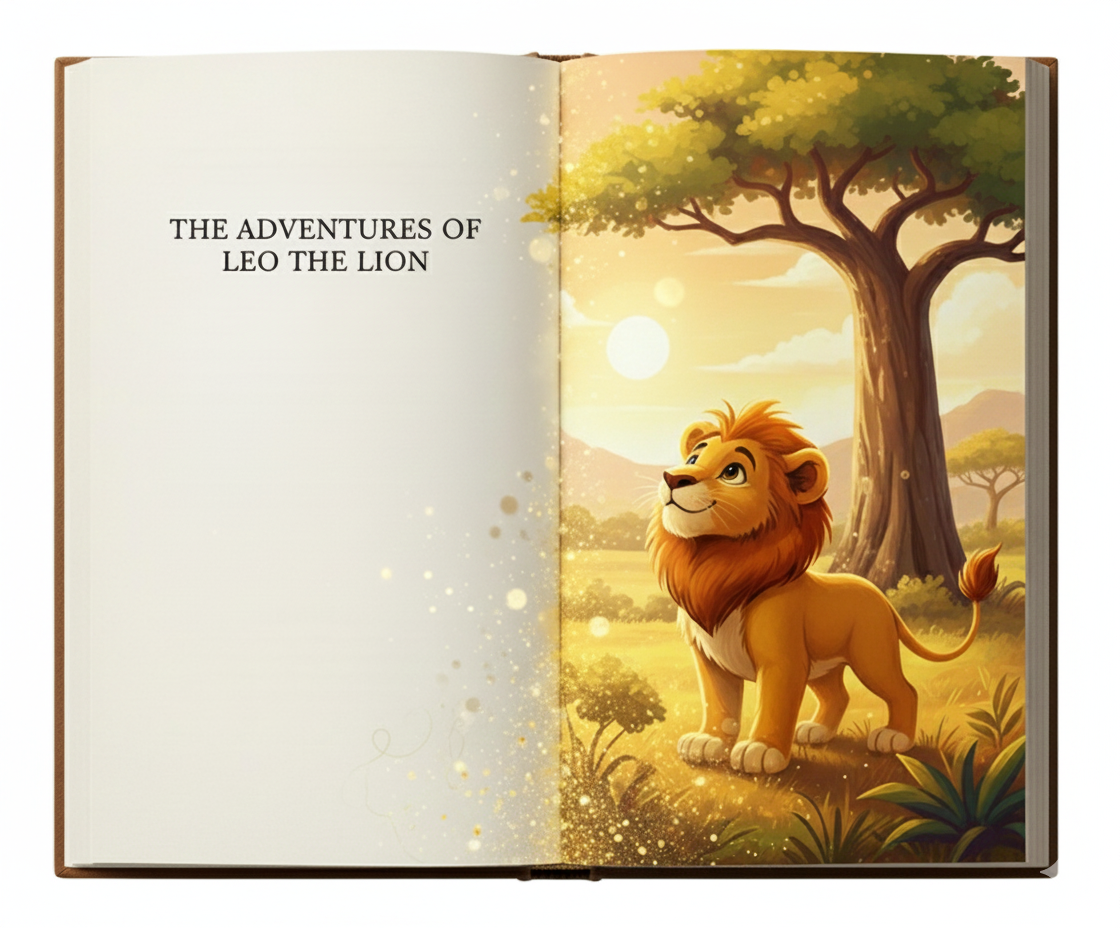
What sets children's books apart is the integral role of illustrations. Unlike adult novels, which primarily rely on text, children's books communicate much of the story visually. Engaging illustrations, paired with simple yet compelling text, help young readers follow the narrative and understand the characters, emotions and actions. This dual approach requires a careful collaboration between authors, illustrators and childrens book publishers to ensure that the story flows seamlessly and resonates with the intended age group. Illustrations are not merely decorative; they serve as storytelling tools that bring the plot, characters and setting to life, thereby enhancing comprehension and enjoyment.
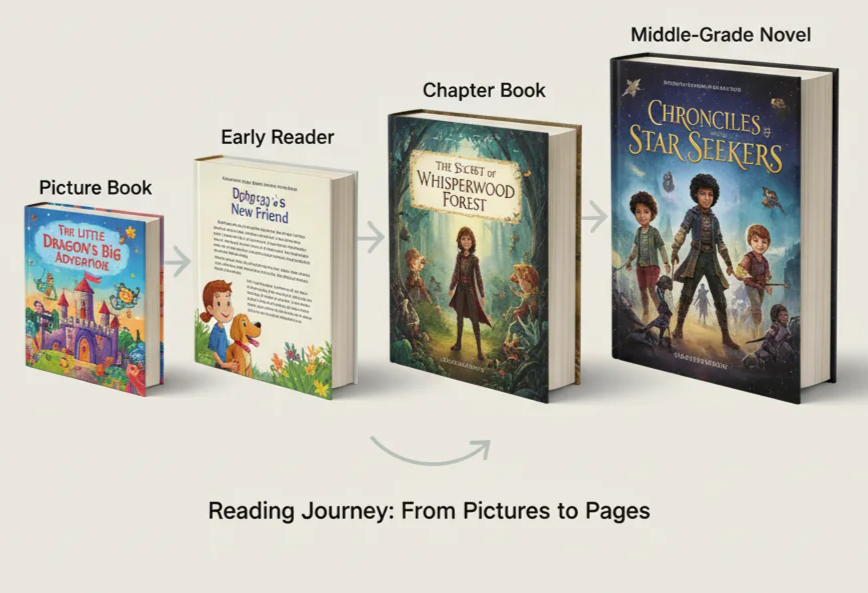
Children's literature encompasses a wide range of formats, each with distinct requirements. Picture books, typically aimed at toddlers and early readers, rely heavily on vibrant visuals and concise text. Early reader books introduce slightly longer narratives while maintaining simple language. Chapter books cater to slightly older children, offering more complex storylines with fewer illustrations, while middle-grade novels target pre-teens with longer narratives, nuanced themes and occasional visual elements. Each type demands attention to length, language complexity and illustration style, making it crucial to understand the specific needs of your chosen format before approaching childrens book publishers.
The market for children's books is robust and growing. There is a rising demand for diverse stories that reflect various cultures, experiences and educational themes, alongside visually rich books that capture children's imagination. Understanding your target age group, niche and the type of story you want to tell allows you to position your book strategically, whether you aim for traditional publishing or self-publishing. By aligning your content, illustrations and style with market expectations, you increase your chances of producing a book that not only delights young readers but also finds success in an increasingly competitive marketplace.
The first and most critical step in publishing a childrens book is crafting a manuscript that captivates young readers while appealing to the adults who guide them. A well-written story balances engaging language, meaningful themes and relatable characters, creating a book that children want to read again and again.
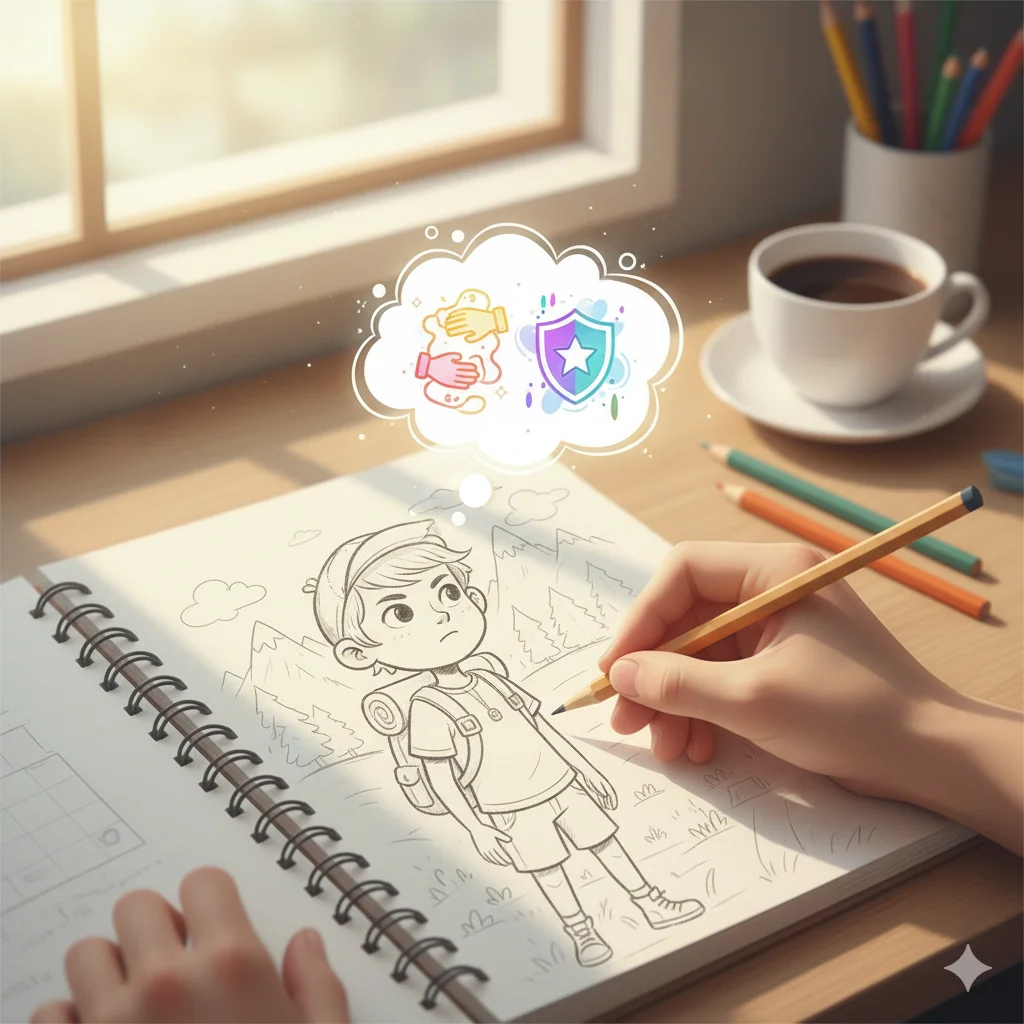
Understanding your target age group is crucial because different age groups respond to different writing styles. Picture books for children aged 3-7 typically employ simple sentences, repetition, and playful language to capture a child's attention. Early reader and chapter books, aimed at slightly older children, allow for more complex narratives, longer sentences and deeper story arcs. Middle-grade novels, designed for preteens, can tackle nuanced themes and employ layered storytelling while remaining age-appropriate. By tailoring your writing style to your audience, you ensure that your story is not only engaging but also developmentally suitable, increasing its appeal to both readers and childrens book publishers.
Characters are the heart of any children's book. Whether it is a talking animal, a curious child or a fantastical creature, strong characters help children connect emotionally with the story. Memorable characters drive the narrative, encourage empathy and make your book unforgettable. Well-developed characters also make your manuscript more attractive to childrens book publishers, as they demonstrate the potential for reader engagement and lasting impact.
Many successful children's books carry subtle educational or moral lessons. Positive messages, when woven naturally into the story, make the book enjoyable for children while providing value to parents and teachers. Themes such as friendship, courage, honesty or curiosity can enrich the narrative and enhance its marketability. Incorporating meaningful lessons thoughtfully increases the likelihood of acceptance by childrens book publishers and helps your book stand out in a competitive market.
By combining age-appropriate storytelling, compelling characters and valuable themes, your manuscript becomes a strong foundation for a children's book that delights readers and catches the attention of publishers.
Illustrations are critical in childrens book publishing. They bring stories to life, convey emotions and help children understand the narrative.
Different illustration styles suit different genres and age groups. Picture books may benefit from colorful, whimsical illustrations, while middle-grade books may require detailed, realistic artwork. Professional childrens book publishers often recommend working with skilled illustrators to ensure visual consistency and appeal.
Collaborating effectively with illustrators is key. Provide clear descriptions of characters, settings and moods and review drafts carefully. Many children's book publishing services include guidance on pairing authors with experienced childrens book illustrators.
Illustrations and text should complement each other. Layout design must ensure that images enhance the story without overwhelming or distracting from the narrative. Professionals in childrens book publishing can help integrate text and illustrations seamlessly.
There are several ways to bring your children's book to market and each approach has unique advantages and considerations.
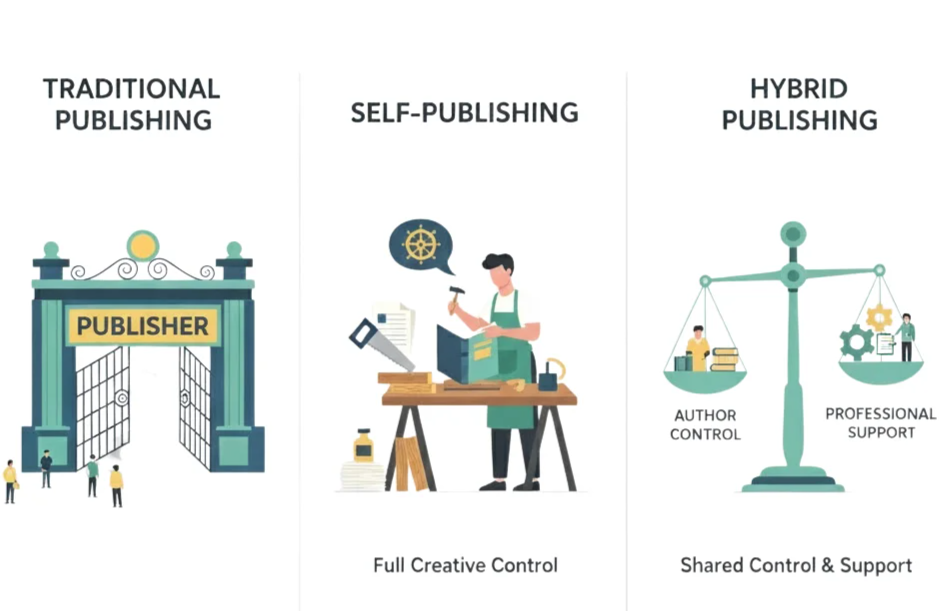
Traditional childrens book publishers handle printing, distribution and marketing. They may also provide editorial support and guidance on illustrations. However, acceptance can be competitive and the process may take longer.
Self-publishing gives authors full control over the process, from content to marketing. While you manage the project independently, professional guidance in publishing a childrens book, illustration and layout is essential for quality.
Hybrid publishing combines elements of traditional and self-publishing. Authors invest in their book but gain professional support for editing, design and distribution. This model offers a balance of control and expertise.
The choice between traditional, self or hybrid publishing depends on your goals, resources and timeline. Evaluating your options early helps streamline the publishing process and increases the likelihood of success.
Before submission or production, your manuscript and illustrations must be carefully prepared.
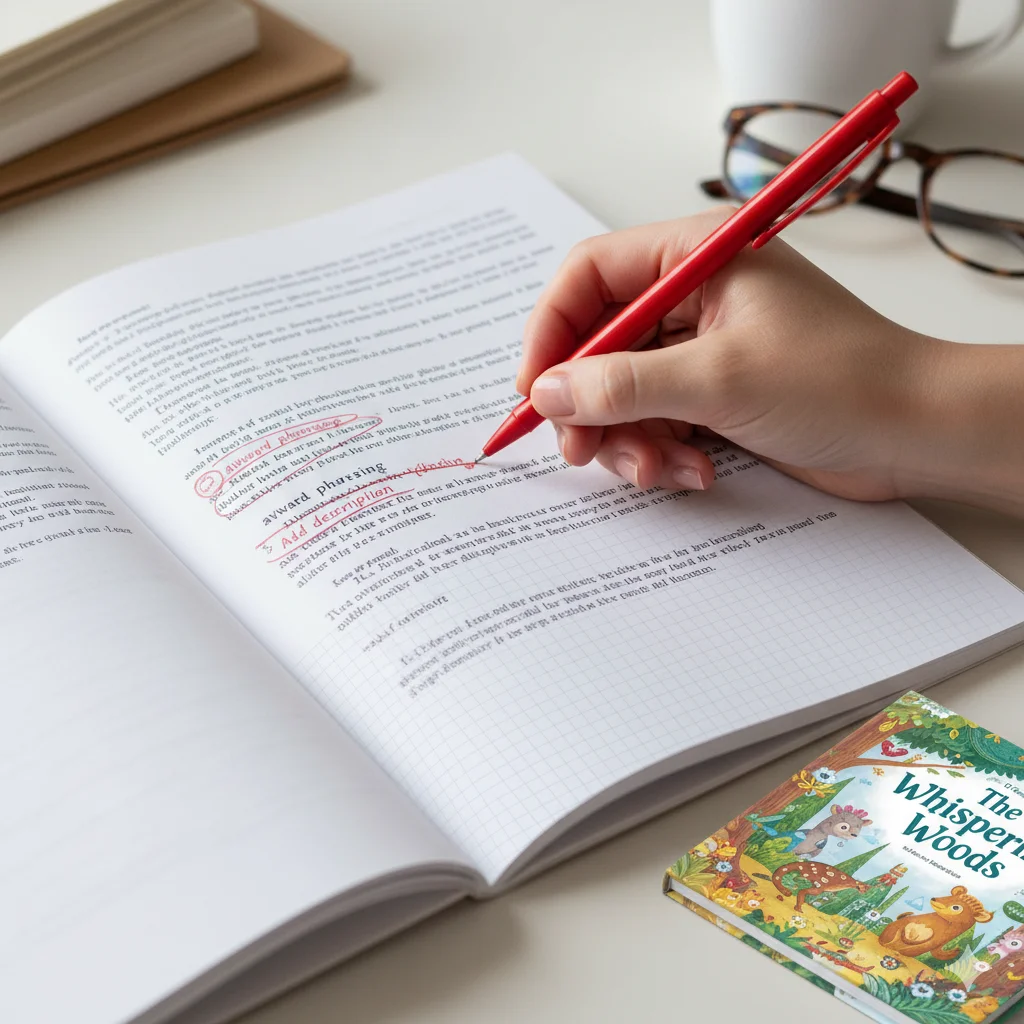
A polished manuscript increases your chances with childrens book publishers. Professional editing ensures correct grammar, appropriate language and smooth storytelling. Proofreading eliminates errors that could distract young readers.
Proper book layout design and book interior formatting are critical. Text and illustrations must be aligned correctly, with consistent margins, fonts and spacing. High-quality formatting ensures your book is professional and ready for printing or digital release.
The cover is often the first thing readers see. A captivating, professionally designed cover helps your book stand out on shelves or online platforms. Children's book publishing services often include cover design as part of their package.
If you choose traditional publishing, understanding how to work with publishers is essential.
Not all childrens book publishers accept unsolicited manuscripts, so research those that match your genre and style. Look at their submission guidelines, previous publications and reputation.
A compelling query letter and manuscript package increase your chances of acceptance. Include a brief author bio, story summary and sample illustrations if available. Publishers often expect a polished, professional presentation.
Once accepted, review contracts carefully. Pay attention to royalties, rights and deadlines. Working with an experienced agent or consultant can help protect your interests.
Effective communication with your publisher ensures that the production timeline, marketing efforts and revisions stay on track. Establishing clear expectations helps the project run smoothly.
Publishing is only the first step; marketing and distribution are crucial for success.

Illustrations are powerful marketing tools. Use cover art and character images in social media campaigns, newsletters and book fairs to attract readers.
Author websites, social media and school visits can build a following and increase awareness. Engaging with readers directly encourages loyalty and word-of-mouth promotion.
Consider online retailers, local bookstores, libraries and schools. Working with childrens book publishers often grants access to wider distribution networks. For self-published authors, professional guidance helps navigate these channels effectively.
Working with professionals, such as children's book illustration services and experienced publishers, helps mitigate these challenges.
At Book Publishing Pros, we understand that the journey of publishing a children's book can be both exciting and overwhelming, especially for new authors. Navigating the complex world of writing, illustration, formatting and marketing requires guidance, expertise and a partner who truly understands the publishing process. That's where we come in. Our mission is to make publishing a children's book a smooth, enjoyable and rewarding experience while ensuring your book reaches its full potential in the marketplace.

Our services include:
Our comprehensive publishing support begins with manuscript evaluation and editing, helping you refine your story for clarity, age-appropriateness and market appeal. We guide you step by step, from the initial concept through to final production, so you feel confident throughout the process.
A standout children's book requires captivating visuals, which is why our children's book illustration services connect you with talented childrens book illustrators who bring your characters, settings and narratives to life. Whether your story calls for playful, whimsical illustrations or detailed, vibrant artwork, our team ensures the visuals enhance your story and resonate with young readers.
A professional presentation is equally important. Our book layout and interior formatting services guarantee that your text and illustrations are beautifully arranged for print and digital formats. We focus on readability, consistency and design quality so your book looks polished and professional on every page.
Finally, we provide expert marketing guidance to help you develop effective strategies for promoting your book. From social media campaigns to distribution planning, our support ensures your book reaches the right audience and gains maximum visibility.
By combining experience, personalized support and industry knowledge, Book Publishing Pros empowers authors to create high-quality children's books with confidence. We handle the technical details, so you can focus on what matters most: telling your story and inspiring young readers.
Publishing a children's book is a labor of love. From crafting an engaging manuscript to collaborating with talented illustrators and choosing the right publishing path, every step matters. By understanding childrens book publishing, working with professional childrens book publishers and leveraging expert guidance from Book Publishing Pros, you increase the likelihood that your book will captivate young readers and stand out in a competitive market.
Your story deserves to be shared. With professional support, careful planning and dedication, you can create a children's book that inspires, entertains and educates for years to come.